GLP-1 and Alcohol: What You Need to Know
GLP-1 and Alcohol: What You Need to Know
If you’re taking a GLP-1 medication like Ozempic, Wegovy, or Mounjaro, you’ve probably already noticed some significant changes in how your body responds to food and drink. One question that comes up frequently—and understandably so—is about alcohol consumption while on these medications.
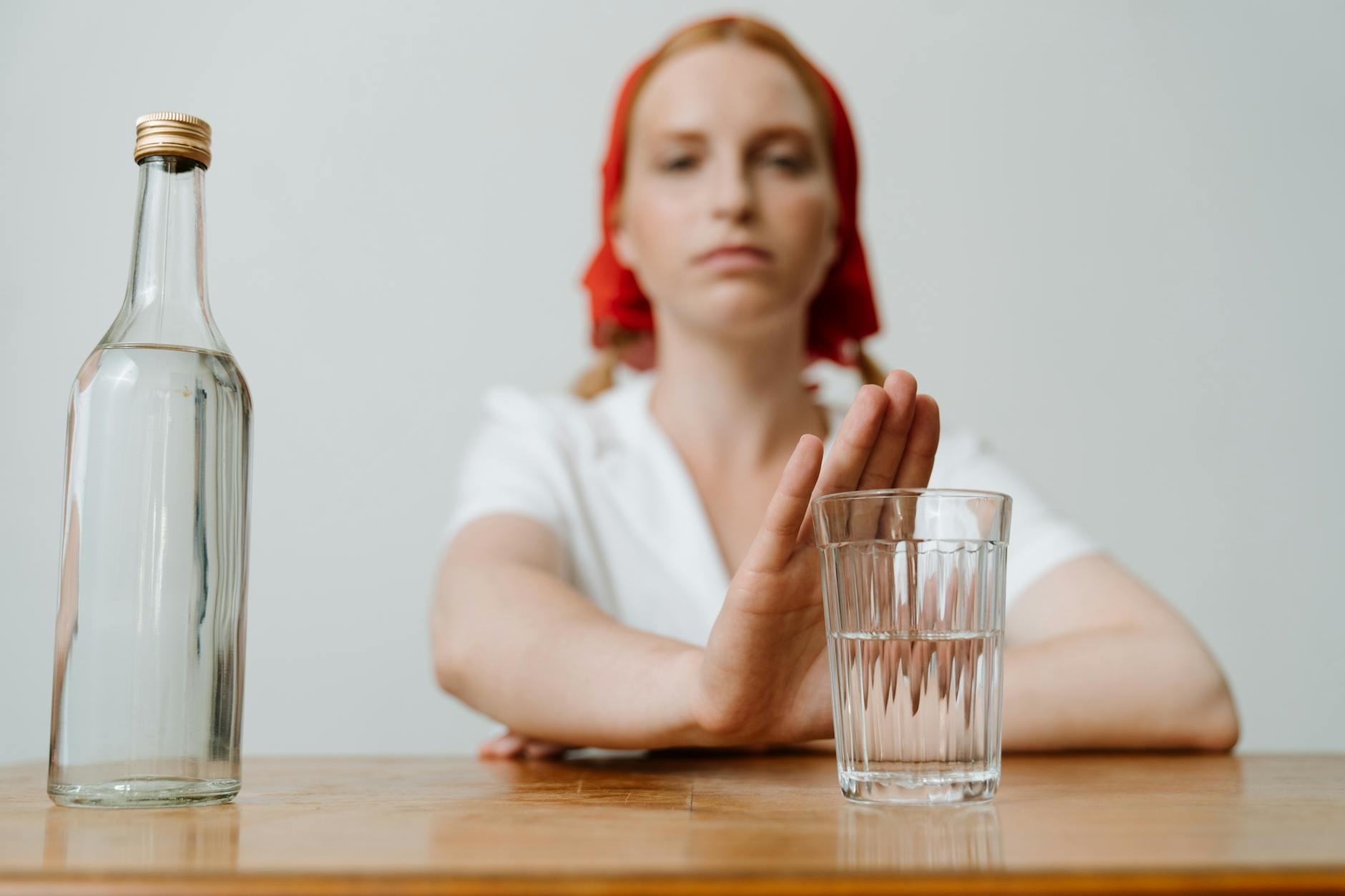
The short answer? Alcohol isn’t off-limits, but it does require more thoughtfulness than before. Let’s walk through what you need to know to make informed choices that keep you safe and support your health goals.
How GLP-1 Medications Affect Alcohol Metabolism
To understand why alcohol and GLP-1s interact the way they do, it helps to know what’s actually happening in your body. GLP-1 medications slow gastric emptying—meaning food and liquids stay in your stomach longer before moving to your small intestine. This is great for appetite control and blood sugar management, but it changes how your body processes alcohol.
When alcohol enters your system more slowly, a few things happen. First, your body may absorb it more gradually, which can intensify the effects and make you feel drunk faster or stay intoxicated longer than you might expect. Second, because GLP-1s also increase feelings of fullness and nausea in some people, adding alcohol—which can irritate the stomach lining—might amplify those side effects.
Additionally, both GLP-1s and alcohol can affect blood sugar levels. While this interaction depends on factors like what you eat, your individual metabolism, and the type of alcohol, it’s worth being aware of, especially if you’re managing diabetes or prediabetes.
The Nausea Factor
Let’s be honest: nausea is one of the most common side effects of GLP-1 medications, particularly in the first few weeks or when doses increase. Alcohol—especially on an empty stomach or in larger quantities—is notorious for triggering or worsening nausea. Combining the two can create an unpleasant experience that might send you straight to the bathroom.
If you’re still in the early phases of GLP-1 treatment or adjusting to a new dose, it’s genuinely worth waiting until nausea subsides before experimenting with alcohol. Many people find that side effects improve significantly after a few weeks on a stable dose.
Dehydration and Blood Sugar Issues
Here’s something many people don’t immediately connect: alcohol is dehydrating, and GLP-1s can already affect how much fluid you’re consuming (partly because you feel full faster). Dehydration can worsen side effects like nausea, fatigue, and dizziness—symptoms you might already be managing.
For anyone with diabetes or using GLP-1s for blood sugar control, alcohol adds another layer of complexity. It can cause unpredictable blood sugar dips, especially if you’re not eating enough food with your drink. This is particularly risky if you’re also taking insulin or other diabetes medications.
Practical Guidelines for Drinking on GLP-1s
Start Low and Go Slow: If you want to have a drink, treat it like you’re reintroducing alcohol to your system. Have one drink and see how you feel. You might be surprised at how much less it takes to feel the effects compared to before your medication.
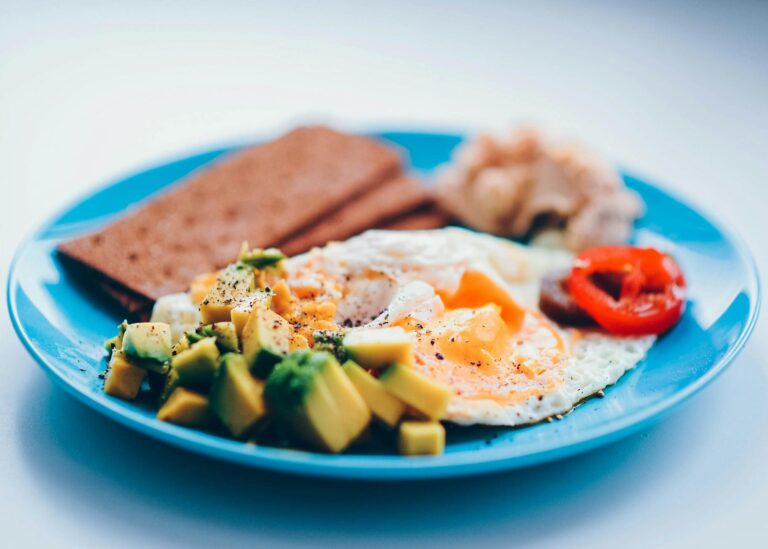
Eat First: Never drink on an empty stomach, especially on GLP-1s. Food slows alcohol absorption and helps stabilize blood sugar. Pair your drink with protein and healthy fats—think nuts, cheese, or a small meal.
Choose Lower-Calorie Options: Sugary cocktails, sweet wines, and craft beers can derail your progress and may cause more dramatic blood sugar swings. Light beers, dry wines, and spirits mixed with sugar-free mixers are better choices if you’re watching calories and blood sugar.
Prioritize Hydration: For every alcoholic drink, have a glass of water. This helps counteract dehydration and can reduce nausea and other side effects the next day.
Avoid Binge Drinking: This should go without saying, but it’s especially important on GLP-1s. Your tolerance is likely lower, and your body’s ability to handle alcohol safely is affected. One or two drinks is the general guideline; more than that increases risks significantly.
Be Mindful of Medications: Some GLP-1s and other medications interact with alcohol. Always check with your prescribing doctor or pharmacist about your specific medications and any alcohol interactions.
Listen to Your Body
Everyone’s experience on GLP-1s is different. Some people find they have no interest in alcohol anymore (a common and perfectly valid experience). Others tolerate it fine with minor adjustments. Pay attention to how you feel after drinking—not just in the moment, but the next day too. If you experience increased nausea, blood sugar instability, or other side effects, that’s valuable information. You might decide it’s not worth it, and that’s completely okay.
Many people find that as they progress in their GLP-1 journey and build new habits, their relationship with alcohol naturally shifts. You might find you’re simply less interested, or that you prefer spending social occasions with non-alcoholic options. There’s no pressure to drink just because you can.
Frequently Asked Questions
- Can I drink alcohol while on GLP-1 medications?
- Yes, moderate alcohol consumption is generally considered safe for most people on GLP-1s, but it requires more caution than before. Alcohol is absorbed differently, may feel stronger, and can worsen side effects like nausea. Always eat food with alcohol, stay hydrated, and consult your doctor about your specific situation.
- Why do I feel drunk faster on GLP-1s?
- GLP-1 medications slow stomach emptying, which means alcohol enters your bloodstream more gradually but may result in higher peak levels. This can intensify the effects of alcohol and make you feel intoxicated faster than before your medication.
- Is it safe to drink if I’m taking GLP-1s for diabetes?
- It can be, but with extra caution. Alcohol affects blood sugar in unpredictable ways and combined with GLP-1 medications, the risk of blood sugar swings increases. Always eat adequate food, monitor your blood sugar if you check it, and talk with your doctor about your individual risk.
- What type of alcohol is best on GLP-1s?
- Lower-calorie, lower-sugar options are best: light beers, dry wines, and spirits mixed with sugar-free beverages. These choices minimize blood sugar spikes and aren’t as likely to trigger nausea as sugary cocktails or sweet wines.
- Should I avoid alcohol altogether on GLP-1s?
- Not necessarily, unless your doctor advises against it. However, many people find that the combination isn’t worth it for them, especially early in treatment. If you’re still managing nausea or other side effects, it’s worth waiting until you’re more stable before experimenting with alcohol.
Moving Forward
Taking a GLP-1 medication is a significant step in your health journey, and it’s worth being intentional about the choices that support that work. Alcohol isn’t forbidden, but it does deserve more thought and planning than it might have before. The best approach is to stay in communication with your healthcare provider, listen to your body’s signals, and make choices that align with your goals and feel good for you.
If you want to stay on top of your progress and make informed decisions about what works for your body, consider tracking your meals, side effects, and how different foods and drinks make you feel. The TrimLog app is designed specifically for people on GLP-1 medications and makes it easy to log your meals and monitor patterns—so you can see exactly how your choices affect your journey. Download it from the App Store and start building a clearer picture of what supports your success.