How to Break a Weight Loss Plateau on Semaglutide
How to Break a Weight Loss Plateau on Semaglutide
You’ve been taking your GLP-1 medication faithfully for weeks or months. The scale dropped steadily at first—maybe 10, 15, or even 20+ pounds. You felt energized, your appetite was genuinely suppressed, and everything felt manageable. Then, one day, you step on the scale and notice something: the number hasn’t changed in two weeks. Or three. Or longer.
Welcome to the weight loss plateau—a completely normal and temporary phase that many people on semaglutide (Ozempic, Wegovy) and other GLP-1 medications experience. The good news? Plateaus don’t mean your medication has stopped working or that you’ve hit a permanent ceiling. They mean your body has adapted, and it’s time to adjust your strategy.
Why Plateaus Happen on GLP-1 Medications
First, let’s understand what’s actually happening. A weight loss plateau occurs when your body reaches a new equilibrium. You’ve lost weight, your calorie needs have decreased (because you simply weigh less), and your metabolism has adjusted to your current intake and activity level. This is basic physiology, not a failure of your medication.
Additionally, while GLP-1 medications are powerful tools, they don’t create permanent appetite suppression that never adapts. Over time—usually weeks to a few months—your body can develop some tolerance to the appetite-suppressing effects, even if you’re on a stable dose. This doesn’t mean the medication stops working entirely; it means you may need to take a more active role in creating a calorie deficit.
The encouraging reality is that you’re still benefiting from the medication. You’re experiencing improved appetite control compared to your baseline, better blood sugar regulation, and reduced cravings—even if they’ve slightly increased from where they were in week two.
Strategy 1: Reassess Your Calorie Intake
The most direct way to break a plateau is to create a modest calorie deficit. When you weighed more, you burned more calories simply existing. Now that you’ve lost weight, you need fewer calories to maintain that new weight.
You don’t need to cut calories dramatically. In fact, aggressive restriction often backfires by making you miserable and more likely to quit. Instead, aim for a reduction of 200–300 calories per day from where you currently are. This might look like:
- Reducing snacking by choosing smaller portions or skipping one daily snack
- Swapping higher-calorie beverages (lattes, juice, alcohol) for lower-calorie alternatives
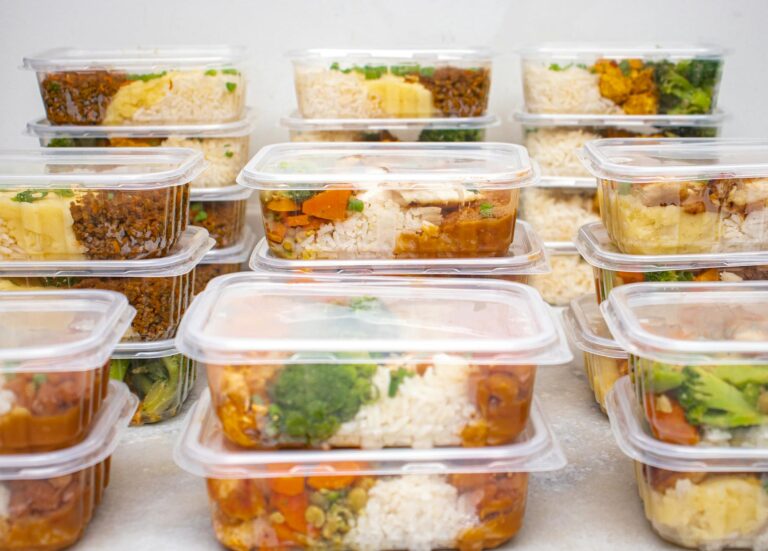
- Adding more protein and fiber to meals without adding many calories, so you feel fuller longer
- Being more intentional about cooking methods (grilling instead of frying, for example)
The key is making changes that feel sustainable. A 200-calorie reduction you can stick with beats a 500-calorie reduction you’ll abandon after two weeks.
Strategy 2: Increase Physical Activity—Strategically
You don’t need to become a gym fanatic to break a plateau, but increasing movement helps. The best exercise is the one you’ll actually do, but research suggests that combining cardiovascular activity with resistance training offers the most benefits for weight loss and metabolic health.
Consider adding:
- Resistance training 2–3 times per week: Building muscle increases your resting metabolic rate, meaning you burn more calories even at rest. You don’t need fancy equipment—bodyweight exercises work perfectly.
- Brisk walking or cycling: Aim for 150 minutes of moderate-intensity activity per week. This doesn’t have to be a grueling run; a daily 30-minute walk counts.
- Incidental movement: Take the stairs, park further away, do a quick stretch break. These small movements add up over a day.
A common mistake is expecting exercise alone to break a plateau. While movement is crucial for overall health, weight loss still primarily comes down to calorie balance. Think of exercise as both a calorie-burner and a metabolism-booster, not a standalone solution.
Strategy 3: Optimize Protein and Fiber Intake
On GLP-1 medications, you likely eat smaller portions, so making those portions nutrient-dense is especially important. Protein and fiber are your plateau-breaking allies because they:
- Keep you fuller longer, making it easier to maintain a calorie deficit
- Have a higher thermic effect (your body burns more calories digesting them)
- Help preserve muscle mass during weight loss
- Stabilize blood sugar, reducing energy crashes and cravings
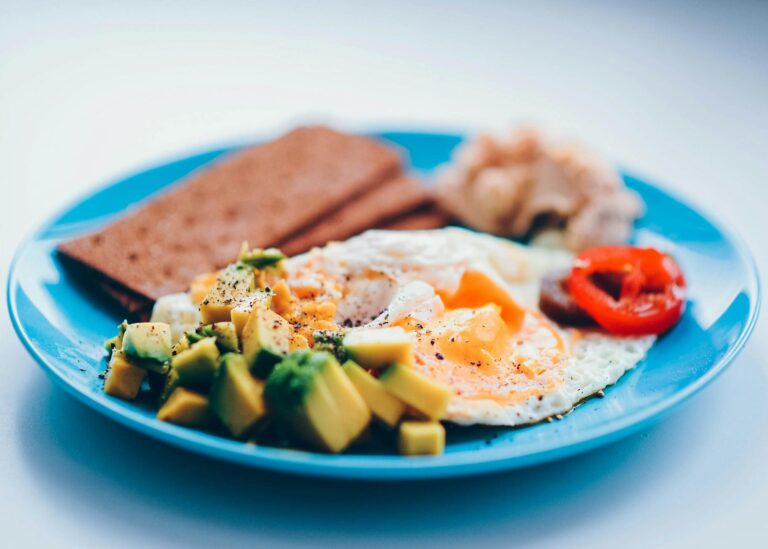
Aim for 25–30 grams of protein per meal and 25–35 grams of fiber daily. Practical sources include Greek yogurt, chicken breast, fish, eggs, legumes, vegetables, fruits, and whole grains. If you’re struggling to hit these targets with food alone, a protein shake or fiber supplement can help.
Strategy 4: Check Your Dose and Medication Timing
If you’re on a steady dose of semaglutide and haven’t increased in several months, it’s worth discussing with your prescriber whether a dose increase is appropriate. However, don’t assume a higher dose is always the answer. Sometimes, the issue isn’t the medication—it’s the strategies around it.
Additionally, if you’re taking your injection on Monday but your appetite returns by Thursday, talk to your doctor about whether splitting your dose or adjusting timing might help. Everyone’s pharmacokinetics are slightly different.
Strategy 5: Address Hidden Calories and Eating Patterns
When appetite suppression is strong, it’s easy to lose track of what you’re actually consuming. Once a plateau hits, tracking your food for a week or two can be revelatory. You might discover:
- Cooking oils adding more calories than you realized
- Frequent “small” snacks that add up
- Liquid calories from drinks or sauces
- Eating past comfortable fullness during meals
You don’t need to track forever—many people find that a brief tracking period helps them recalibrate their portion sense and then they can return to intuitive eating with better awareness.
Strategy 6: Prioritize Sleep and Stress Management
This might sound tangential, but poor sleep and chronic stress genuinely impair weight loss. Both increase cortisol, promote water retention, and can increase hunger hormones. Aim for 7–9 hours of quality sleep and find stress-management practices that work for you—whether that’s meditation, journaling, exercise, or time in nature.
Setting Realistic Expectations
A healthy, sustainable rate of weight loss is typically 1–2 pounds per week. If you were losing faster initially (which many people do on GLP-1s), slowing to this pace isn’t failure—it’s actually the body finding its natural rhythm. Some plateaus last a few weeks; others last longer. The important thing is not to panic or abandon your efforts.
Remember, you’re not just chasing a number on the scale. You’re building habits, improving your relationship with food, and making changes that will serve you long-term. Weight loss rarely looks like a straight line downward—it looks like a staircase with plateaus between drops.
Frequently Asked Questions
- How long is a normal weight loss plateau?
- Most plateaus last 2–6 weeks, though some can persist longer. If you’ve been completely stalled for 8+ weeks despite making real effort to reduce calories and increase activity, it’s worth checking in with your healthcare provider.
- Should I increase my GLP-1 dose myself to break a plateau?
- No. Always consult your prescriber before adjusting your dose. They’ll consider your current dose, your results, any side effects you’re experiencing, and your overall health goals. Dose increases should be gradual and medically supervised.
- Can I take a break from my GLP-1 medication during a plateau?
- Stopping your medication typically isn’t helpful for breaking a plateau and may lead to rapid weight regain. If you’re considering a medication break, discuss it with your doctor first.
- Is it normal to feel less full after several months on GLP-1?
- Yes, some tolerance can develop, but it’s usually partial, not complete. You’ll likely still feel fuller faster than you did before starting medication, but not quite as suppressed as week two. This is when deliberate lifestyle strategies become especially important.
- What if I’m already eating very little and can’t reduce calories further?
- If you’re eating below 1,200 calories daily and still plateaued, focus on increasing activity, optimizing meal composition (more protein and fiber), improving sleep, and managing stress rather than cutting more calories. Very low calorie diets can slow metabolism and aren’t sustainable.
Moving Forward
Weight loss plateaus are frustrating, but they’re also temporary obstacles you can absolutely overcome. By combining modest calorie reduction, increased physical activity, smarter food choices, and attention to sleep and stress, you’ll break through to the next phase of your weight loss journey.
If you want to stay on top of your progress and track patterns in your eating, energy, and weight, the TrimLog app is designed specifically for people on GLP-1 medications. It helps you log meals, track your weight trajectory, and get personalized insights—so you can identify what’s working and adjust with confidence. Consider giving it a try during your next phase of your journey.
You’ve already proven you can commit to this. A plateau is just a pause, not an ending. Keep going.