How to Break a Weight Loss Plateau on GLP-1 Medications
Hitting a weight loss plateau is one of the most frustrating experiences you can have on GLP-1 medications like semaglutide (Ozempic, Wegovy) or tirzepatide (Mounjaro, Zepbound). You’ve been losing weight steadily, and then – nothing. The scale stops moving despite doing everything right. It happens to a lot of people, and it doesn’t mean the medication stopped working. Here’s what’s actually going on and what you can do about it.
Why Plateaus Happen on GLP-1 Medications
A plateau is your body’s natural adaptation to weight loss. As you lose weight, your metabolism adjusts – your body needs fewer calories to function at the new, lower weight. At the same time, hormones that regulate hunger and energy expenditure shift to protect body fat. This is sometimes called “metabolic adaptation,” and it happens whether you’re on medication or not.
On GLP-1 medications specifically, a few additional factors can contribute to a plateau:
- Dose ceiling: You may be at the maximum tolerated dose and the appetite suppression effect has reached its limit for your body.
- Dietary drift: Over time, it’s common for food choices to gradually shift back toward old habits without noticing, even with reduced appetite.
- Reduced activity: As fatigue or nausea decreases calorie intake, some people also unconsciously move less.
- Muscle loss: Losing muscle during weight loss reduces your resting metabolic rate, making further fat loss harder.
Check Your Dose and Medication Timing
Before changing anything else, talk to your prescriber about whether a dose adjustment makes sense. Both semaglutide and tirzepatide are titrated up gradually over months. If you’re not at the maximum dose for your medication, moving up may help push past the plateau – though this needs to be balanced against side effect tolerance.
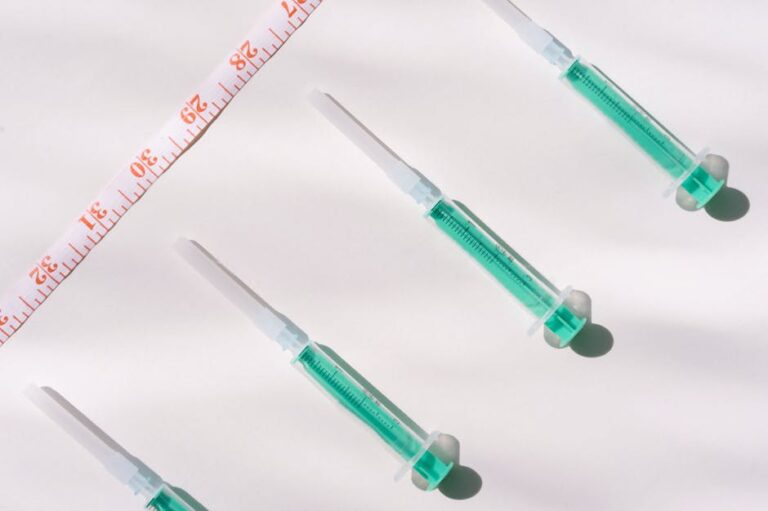
Also confirm you’re taking the medication correctly. Semaglutide (Wegovy/Ozempic) and tirzepatide (Mounjaro/Zepbound) are weekly injectables. Consistency in timing and injection technique matters. Rotating injection sites (abdomen, thigh, upper arm) and ensuring proper storage can affect absorption.
Reassess Your Calorie Intake
GLP-1 medications dramatically reduce appetite, but they don’t eliminate the need to pay attention to what you’re eating. A common pattern: as your weight drops, you need fewer calories – but your intake may not have decreased proportionally. Even small amounts of calorie-dense foods can stall progress.
Try tracking your food intake for one to two weeks. Use an app like Cronometer or MyFitnessPal to get an honest look at your numbers. Key areas to examine:
- Liquid calories (coffee drinks, juice, alcohol, protein shakes)
- High-calorie condiments and sauces
- Snacking between meals
- Portion sizes of calorie-dense healthy foods like nuts and oils
Reducing overall calorie intake by even 100-200 calories per day can be enough to restart progress.
Add or Adjust Your Exercise Routine
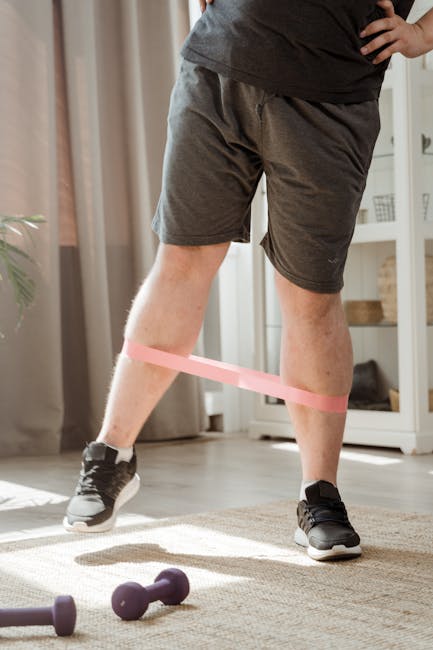
Exercise is critical for breaking plateaus – not primarily for burning calories, but for preserving and building muscle, which keeps your metabolism from crashing. Strength training is especially valuable on GLP-1 medications because these drugs can cause muscle loss alongside fat loss.
If you’re not already strength training, now is the time to start. Aim for two to three sessions per week targeting major muscle groups. Even bodyweight exercises (squats, push-ups, rows) make a real difference.
For cardio, consider adding variety. If you’ve been walking, try interval training where you alternate between higher and lower intensity. This type of training burns more calories and can help restart weight loss. Aim for 150-300 minutes of moderate activity per week as a baseline.
Focus on Protein Intake
Protein is your best friend during a plateau. It helps preserve lean muscle mass, keeps you feeling fuller longer, and has the highest thermic effect of any macronutrient – meaning your body burns more calories just digesting it. Many people on GLP-1 medications don’t eat enough protein because their appetite is so suppressed, and this can sabotage their progress.
Target at least 0.7-1 gram of protein per pound of your goal body weight per day. Prioritize whole food sources like chicken, fish, eggs, Greek yogurt, cottage cheese, and legumes. If you’re struggling to hit your protein targets through food alone, a high-quality protein shake can help fill the gap.
Give It Time – and Stay Patient
Sometimes a plateau is simply your body consolidating recent losses. The scale can stall for two to four weeks even when fat loss is still technically occurring, because water retention, muscle growth, and hormonal fluctuations affect the number you see each morning. Take measurements, note how your clothes fit, and look at progress photos rather than relying solely on the scale.
If you’ve been truly stuck for more than four to six weeks after trying these adjustments, revisit your options with your prescriber. They may recommend a dose change, additional lab work to rule out thyroid or hormonal issues, or a referral to a registered dietitian who specializes in metabolic health.
The Bottom Line
Plateaus on GLP-1 medications like semaglutide and tirzepatide are normal and temporary. They don’t mean you’ve failed or that the medication has stopped working. By auditing your diet, optimizing your protein intake, adding strength training, and working with your prescriber on dosing, most people are able to push through and continue making progress. Be patient with your body – the long game always wins.