GLP-1 Side Effects Timeline: What to Expect Week by Week
GLP-1 Side Effects Timeline: What to Expect Week by Week
If you’ve just started a GLP-1 medication like Ozempic, Wegovy, or Mounjaro, you’re probably wondering what the next few weeks will feel like. The good news: you’re not alone, and most side effects are temporary and manageable. The better news: understanding what’s coming can help you prepare mentally and physically.
This week-by-week breakdown is based on common patterns reported by thousands of people on GLP-1s, combined with what clinical research tells us. Your experience might be slightly different—everyone’s body is unique—but this roadmap should help you know what’s typical and when to be concerned.
Week 1: The Adjustment Phase
Your first injection often feels surprisingly uneventful. You might notice a slight sensation at the injection site (a tiny pinch or minor bruising), but most people report this is less dramatic than expected.
Nausea typically starts to appear 24–48 hours after your first dose. For many, it’s mild—a gentle queasiness that comes and goes. Some describe it as similar to mild motion sickness; others barely notice it. This is when staying hydrated becomes your best friend. Sip water consistently throughout the day rather than drinking large amounts at once.
Appetite suppression often begins in these first few days too. You might notice that foods you usually love suddenly seem less appealing. Don’t be alarmed—this is the medication doing exactly what it’s designed to do.
Week 2–3: Peak Side Effects
If side effects are going to hit hardest, this is typically when it happens. Nausea may intensify for some people, while others find it’s already improving. You might experience:
Nausea and queasiness: This is the most commonly reported side effect. It usually peaks around days 7–10 and begins improving by week 3. Eating smaller, frequent meals helps more than you’d expect. Plain foods, ginger tea, and avoiding strong smells can provide relief.
Constipation: As your appetite decreases and food intake drops, constipation is virtually inevitable. Start increasing fiber and water intake now if you haven’t already. Gentle movement—even a 20-minute daily walk—helps significantly. This typically persists longer than nausea (often 4–6 weeks), so patience is key.
Fatigue: Some people feel unusually tired in week 2–3. This often correlates with eating less food (your body has less fuel) and adjusting to the medication itself. This usually resolves by week 4 as your body adapts and you establish a better eating pattern.
Changes in taste: Some foods might taste different or less appealing. This is temporary and usually resolves within a few weeks.
Week 4–6: The Turning Point
For most people, week 4 marks a significant improvement. Nausea typically subsides considerably, though some mild queasiness might linger. Your body is adjusting to the medication, and you’re likely developing eating patterns that work for you.
Appetite suppression becomes more predictable and manageable. Instead of feeling completely disinterested in food, you’ll likely experience a more normal (but notably reduced) appetite. This is actually easier to work with than the earlier “nothing sounds good” phase.
Constipation may still be present but usually improves as you establish better hydration and eating habits. Energy levels typically normalize around week 5–6.
Week 7–8: The New Normal
By this point, most people have adjusted well to their GLP-1 medication. Acute side effects have largely resolved. What remains is typically manageable: occasional mild nausea (especially if you eat too quickly or choose certain foods), improved digestion as your body adapts, and sustained appetite suppression that feels increasingly natural.
Some people experience what’s sometimes called “GLP-1 fatigue”—a feeling of reduced motivation or energy that can persist longer than acute side effects. This often improves further with time, consistent sleep, and maintaining adequate protein intake.
Practical Tips for Every Week
Hydration is non-negotiable: Dehydration amplifies nausea and constipation. Aim for at least 8–10 glasses of water daily, more if you can manage it. Electrolyte drinks can help, especially early on.
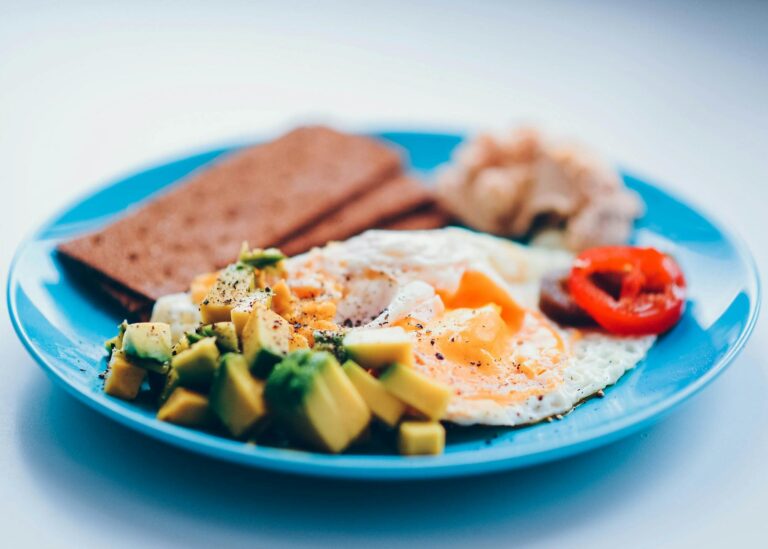
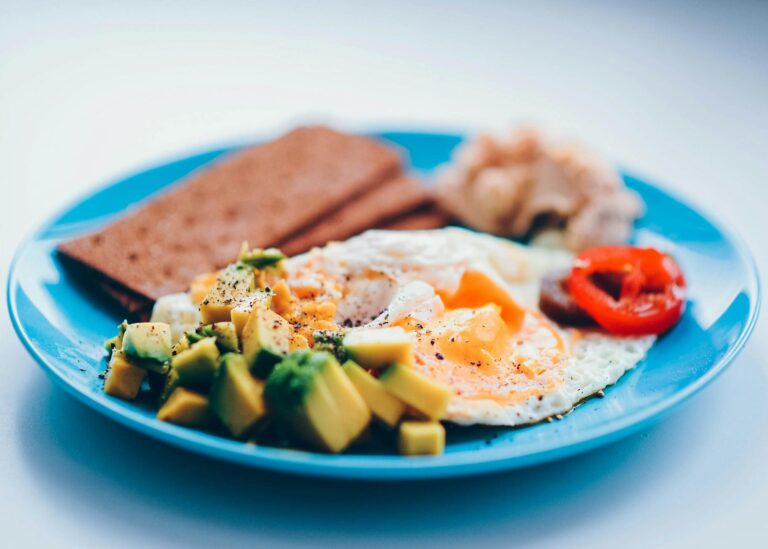
Prioritize protein: When nausea makes eating difficult, protein-rich foods that are easy on the stomach (Greek yogurt, eggs, bone broth, protein shakes) help preserve muscle mass and keep you satisfied longer.
Eat small, frequent meals: Large meals are almost guaranteed to trigger nausea. Three small meals plus snacks often works better than trying to eat normally-sized portions.
Move your body: Even gentle movement—walking, stretching, light yoga—helps with both constipation and the adjustment process. Bonus: it helps maintain muscle mass during weight loss.
Track your symptoms and food: Keeping a simple log of how you feel and what you eat helps you identify your personal trigger foods and spot patterns. If you want to stay on top of your progress, the TrimLog app makes this effortless, combining symptom tracking with meal logging and personalized insights specifically for GLP-1 users. It’s designed by people who understand what you’re actually dealing with.
Talk to your provider: If side effects are severe or not improving by week 4, mention it at your next appointment. Sometimes adjusting timing of doses or dosage schedules helps.
When to Contact Your Doctor
Most side effects are uncomfortable but not dangerous. However, reach out to your healthcare provider if you experience:
Severe vomiting or inability to keep down liquids (dehydration risk)
Severe abdominal pain
Signs of pancreatitis (severe upper abdominal pain radiating to the back)
Persistent diarrhea lasting more than a few days (opposite of the typical constipation)
Signs of dehydration (dark urine, dizziness, severe fatigue)
The Longer View
For most people, the first 6–8 weeks are the hardest. After that, GLP-1 medications feel much more manageable. Many people report that by month 2–3, the medication becomes almost invisible—they simply eat less, feel satisfied with smaller portions, and the side effect burden is minimal.
Understanding this timeline helps you mentally prepare. You know the hardest part is temporary. You know it gets better. And you know that what you’re experiencing is normal and expected, not a sign that something is wrong.
Frequently Asked Questions
- How long does nausea last on GLP-1 medications?
- Nausea typically peaks in week 2–3 and significantly improves by week 4–5 for most people. However, mild occasional nausea can persist longer, especially with certain foods or eating too quickly. If severe nausea lasts beyond week 6, contact your doctor.
- Can I do anything to prevent side effects?
- You can’t prevent them entirely, but you can minimize severity by eating smaller meals, staying hydrated, starting with the lowest dose, and moving your body regularly. Starting slowly and allowing your body to adjust gradually makes a real difference.
- Is it normal to feel tired on GLP-1s?
- Yes, especially in weeks 2–4 when you’re eating less and your body is adjusting. This usually resolves with time. Make sure you’re eating enough protein, staying hydrated, and getting adequate sleep. If fatigue persists beyond week 6, discuss it with your provider.
- What should I eat when I feel nauseous?
- Stick with bland, easy-to-digest foods: plain chicken, rice, toast, crackers, broth-based soups, scrambled eggs, and applesauce. Ginger and peppermint tea can help settle your stomach. Avoid greasy, spicy, or heavy foods.
- Does the appetite suppression ever wear off?
- Most people maintain appetite suppression as long as they continue the medication. However, tolerance can develop over months or years for some individuals. This is something to discuss with your doctor if it becomes an issue.
Remember: what you’re experiencing is temporary, manageable, and shared by thousands of others on the same journey. Be patient with yourself. Your body is adjusting to something powerful and new. And if you want to make tracking your symptoms and progress easier as you navigate these weeks, the TrimLog app is built specifically for GLP-1 users who want clarity and insight into their personal response to these medications. Download it today and take control of your GLP-1 journey with data that actually matters to you.