Best High-Protein Breakfast Ideas for GLP-1 Users
Best High-Protein Breakfast Ideas for GLP-1 Users
If you’re taking a GLP-1 medication like Ozempic, Wegovy, or Mounjaro, you’ve probably noticed that your relationship with food has changed. The reduced appetite is one of the main reasons these medications work so well for weight loss, but it also means breakfast—once a meal you could tackle with enthusiasm—might now feel overwhelming.
The good news? A well-designed, high-protein breakfast can become your secret weapon. Not only does protein keep you satisfied longer, it also helps preserve muscle mass during weight loss, stabilizes blood sugar, and prevents the energy crashes that can derail your progress. Let’s explore practical, delicious breakfast options that work *with* your GLP-1 medication rather than against it.
Why High-Protein Breakfast Matters on GLP-1s
When you’re on a GLP-1, your stomach empties more slowly, and your appetite signals are naturally suppressed. This means breakfast doesn’t have to be large—it just needs to be intentional. Protein is your best friend here because it:
- Increases satiety: You’ll feel fuller longer, which means fewer mid-morning cravings.
- Preserves lean muscle: During weight loss, your body naturally wants to break down muscle. Adequate protein helps prevent this.
- Stabilizes blood glucose: Protein slows carbohydrate absorption, preventing energy spikes and crashes.
- Supports medication effectiveness: A balanced breakfast sets the tone for making better choices throughout the day.
Aim for 25-35 grams of protein at breakfast, though even 15-20 grams can be satisfying on GLP-1s. The key is listening to your body—you might find you need less than you think.
Simple High-Protein Breakfast Ideas
Greek Yogurt Parfait (5-10 minutes)
This is perhaps the easiest option when you’re in a rush. Layer 1 cup of plain Greek yogurt (20g protein) with a small handful of berries and 1 tablespoon of granola or chopped almonds. The yogurt provides protein, the berries add fiber and antioxidants, and the nuts give you satisfying crunch and healthy fat.
The beauty of this option? It requires no cooking, takes minimal prep, and is gentle on the stomach. Many GLP-1 users report that thick, creamy textures sit better than heavy cooked meals early in the day.
Scrambled Eggs with Vegetables (10-12 minutes)
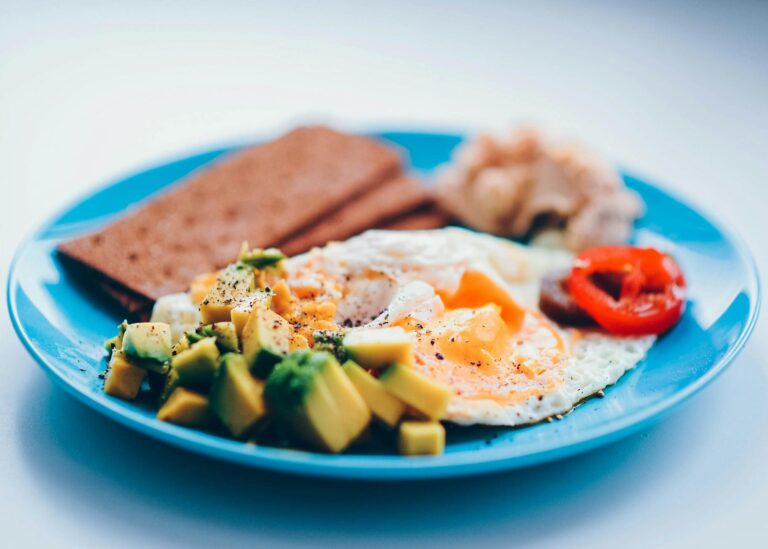
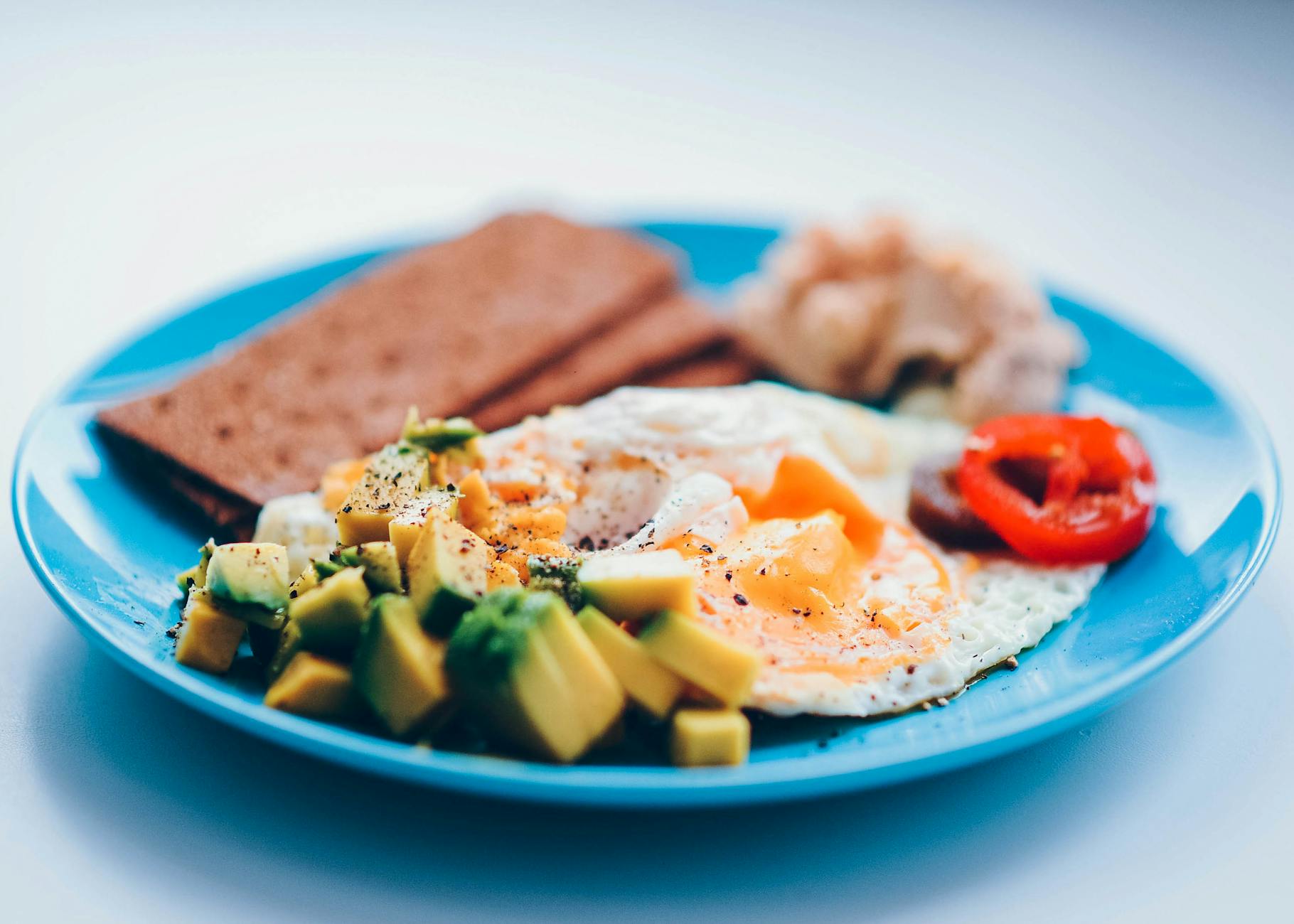
Two to three eggs scrambled with a handful of spinach, mushrooms, and diced tomatoes delivers about 18-24g of protein. Cook in a small amount of butter or olive oil, and season with salt, pepper, and fresh herbs. Pair with a slice of whole-grain toast if your stomach tolerates it.
Eggs are incredibly versatile—try them fried, baked in a muffin tin with add-ins for meal prep, or made into a simple frittata. The key is cooking them gently; many GLP-1 users find that softer, slightly moist eggs are easier to digest than rubbery ones.
High-Protein Smoothie (5 minutes)
Blend 1 cup unsweetened almond milk, 1 scoop of protein powder (20-25g protein), 1/2 frozen banana, and a small handful of spinach. Add a tablespoon of almond butter for healthy fat and extra satiety.
A smoothie works well if you struggle with appetite in the morning—it’s easier to consume and gentler on the digestive system. However, be mindful of portion size; aim for a small to medium smoothie rather than a large one, since liquids don’t trigger fullness signals as strongly as solid food.
Cottage Cheese Bowl (2 minutes)
This underrated breakfast deserves more love. Top 1 cup of cottage cheese (28g protein) with fresh berries, a drizzle of honey, and a small handful of granola or chopped nuts. It’s creamy, satisfying, and requires absolutely no cooking.
Cottage cheese has fallen out of fashion, but it’s making a comeback among people optimizing their nutrition. Many GLP-1 users find it especially satiating because of its texture and protein density.
Savory Oatmeal (10 minutes)
This might sound unusual, but it’s a game-changer. Cook 1/3 cup of rolled oats in water or low-sodium broth, then top with a fried egg, sautéed spinach, and a sprinkle of sharp cheese. The oats provide fiber, the egg adds protein and richness, and the savory flavor profile often feels more appetizing early in the day.
The fiber in oats also supports digestive health, which is important when taking GLP-1s, as some users experience constipation.
Protein Pancakes (12-15 minutes)
Mix 1/2 cup cottage cheese, 2 eggs, and a splash of vanilla extract in a blender until smooth. Cook small pancakes on a griddle and serve with fresh berries and a small dollop of Greek yogurt. This delivers about 20g of protein and tastes like a treat without the guilt.
Protein pancakes are especially useful on weekends when you have a few extra minutes and want something more indulgent. They freeze beautifully, too, so you can make a batch and reheat throughout the week.
Smoked Salmon and Cream Cheese on Whole Grain Bread (5 minutes)
Spread 2 tablespoons of cream cheese on one slice of whole-grain toast, top with 2 ounces of smoked salmon, capers, and thinly sliced red onion. This delivers about 15-18g of protein plus omega-3 fatty acids, which are anti-inflammatory.
This option feels elegant and luxurious, which can help shift your mindset about eating smaller portions. It’s satisfying and flavorful without being heavy.
Pro Tips for GLP-1 Breakfast Success
Eat slowly and mindfully. GLP-1s increase your satiety signals, but it takes time for those signals to register. Eat slowly, take small bites, and check in with your fullness after just a few minutes. You might be surprised how little you actually need.
Hydrate before eating. Drink a glass of water before breakfast. This helps with digestion and can prevent nausea, which some GLP-1 users experience early in the day.
Consider timing. Some people feel their best eating breakfast right after waking; others do better waiting 30-60 minutes. Experiment to find what works for your body and your medication schedule.
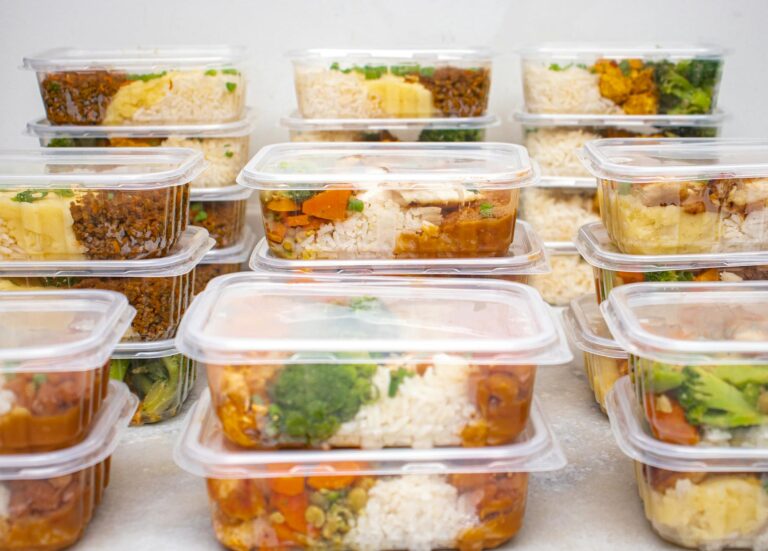
Prep ahead. Sunday meal prep doesn’t have to be complicated. Cook a batch of eggs, prepare overnight oats, or portion out cottage cheese bowls so breakfast is grab-and-go throughout the week.
Pay attention to your digestion. Everyone tolerates different foods differently on GLP-1s. Keep notes on what sits well with you. Some people do fine with oatmeal; others prefer eggs. The “best” breakfast is the one that works for *your* body.
Frequently Asked Questions
- Is it okay to skip breakfast on GLP-1s?
- Yes, if you’re not hungry. GLP-1s naturally suppress appetite, and forcing yourself to eat when you’re not hungry isn’t necessary. However, eating something small and protein-rich can help stabilize energy and prevent overeating later. It’s about finding your personal rhythm.
- Can I have coffee before breakfast?
- Absolutely. Black coffee or coffee with a small splash of milk is fine. However, if you’re experiencing nausea, it’s worth waiting a few minutes after taking your medication before having coffee. Some people find that eating something small first helps.
- Will eating breakfast interfere with my weight loss?
- No. The quality of your food matters far more than the timing. A high-protein breakfast that keeps you satisfied can actually support weight loss by preventing later snacking and overeating. Focus on nutrient-dense choices rather than skipping meals out of fear.
- What if I feel nauseous when I eat breakfast?
- Start with something bland and protein-rich, like scrambled eggs or Greek yogurt. Eat very slowly and in small amounts. If nausea is persistent, talk to your doctor—it might indicate your dose needs adjustment, or you may need to take your medication at a different time.
- How do I know if I’m eating enough protein?
- A good rule of thumb is aiming for at least 15-20 grams per meal, though 25-35 grams is ideal if you can comfortably eat it. If you’re losing energy, feeling constantly hungry, or noticing muscle weakness, you might need more protein overall. Your healthcare provider or a dietitian can provide personalized guidance.
The Bottom Line
The best breakfast for your GLP-1 journey is one that includes adequate protein, feels easy to digest, and keeps you satisfied without feeling forced. Start with the options that sound most appealing to you, pay attention to how your body responds, and give yourself permission to adjust as needed.
Remember, GLP-1 medications are tools that reduce hunger and cravings—they’re not meant to make eating unpleasant. When you choose nourishing, high-protein breakfasts, you’re supporting your medication, preserving your muscle, and setting yourself up for sustainable success.
If you want to stay on top of your progress and track which breakfast choices work best for you, the TrimLog app makes it easy to log your meals, monitor your energy levels, and get personalized meal suggestions tailored to your GLP-1 journey. It’s a simple way to gain insight into what’s truly working for your body.