
How to Manage Nausea on Semaglutide: 12 Tips That Actually Work
You started semaglutide and the weight loss is happening — but so is the nausea. It hits at unexpected times, makes your favorite foods unappealing, and sometimes derails entire evenings. You’re not alone. Nausea is the most common side effect of semaglutide, affecting anywhere from 20–44% of users in clinical trials.
The good news: it’s almost always temporary and manageable. Here are 12 tips that actually work — drawn from clinical guidance and the real-world experience of people who’ve been through it.
Why Semaglutide Causes Nausea
Semaglutide slows gastric emptying — food literally moves through your stomach more slowly. It also acts on receptors in the brain stem that control nausea. The result: your stomach feels fuller longer, and sometimes that fullness tips into nausea, especially early in treatment or after dose increases.
The intensity usually peaks in the first 4–8 weeks and improves significantly as your body adjusts. Dose increases often bring a temporary return of symptoms.
12 Tips to Manage Nausea
1. Eat Smaller, More Frequent Meals
Large meals overwhelm a stomach that’s already moving slowly. Shift to 4–5 small meals or snacks throughout the day instead of 2–3 large ones. Your GI system will thank you.
2. Eat Slowly and Stop Before You’re Full
Semaglutide makes it easy to overshoot your actual fullness point because the sensation comes later than you expect. Eat slowly, put your fork down between bites, and stop when you feel satisfied — not stuffed. Eating past that point is one of the most reliable ways to trigger nausea.
3. Avoid High-Fat, Greasy, or Spicy Foods
These are nausea triggers at the best of times. On semaglutide, they’re especially problematic because they slow gastric emptying further. Stick to bland, easy-to-digest foods when nausea is at its worst: crackers, toast, rice, chicken breast, bananas.
4. Don’t Lie Down Right After Eating
Gravity helps move food through your stomach. Stay upright for at least 2–3 hours after meals. If you need to rest, sit up rather than lying flat.
5. Stay Well-Hydrated — But Not With Meals
Dehydration makes nausea worse. But drinking large amounts of liquid with your meals distends your already-slow stomach. Drink plenty of water between meals and sip small amounts with food.
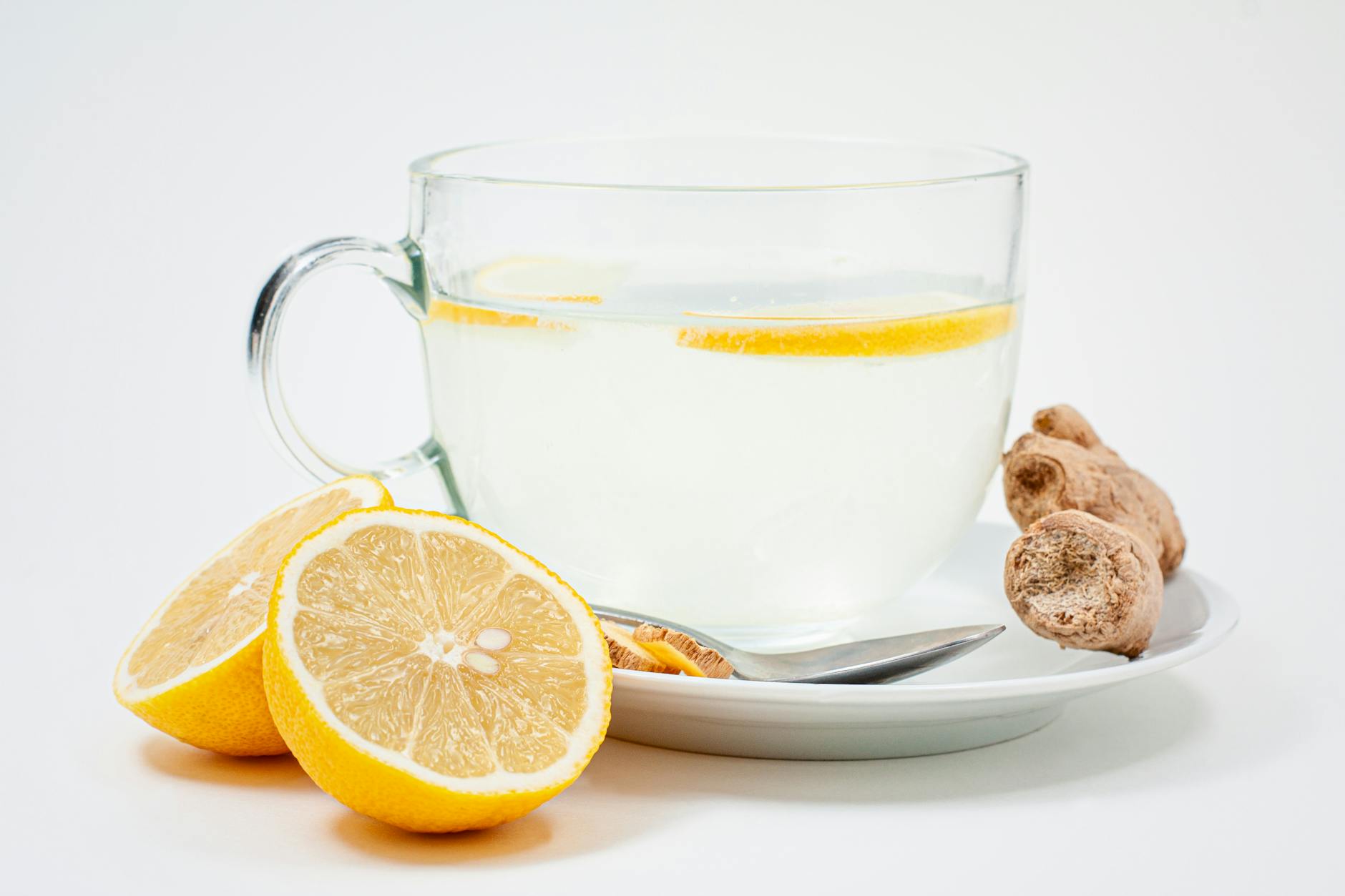
6. Try Ginger
Ginger has genuine anti-nausea evidence behind it. Ginger tea, ginger chews, ginger ale (real ginger, not just flavored soda), or ginger capsules can provide meaningful relief. It’s safe, cheap, and many people find it helps significantly.
7. Time Your Injection Strategically
Some people find injecting at night before bed helps — you sleep through the worst of the initial reaction and wake up feeling better. Others prefer morning. Pay attention to your pattern and time your injection to minimize disruption.
8. Avoid Strong Smells
Cooking smells, perfumes, and other strong odors can trigger or worsen nausea. If cooking dinner is setting you off, let someone else handle it or opt for quick, low-odor meals during difficult stretches.
9. Use Acupressure Wristbands
Sea-Bands (acupressure wristbands designed for motion sickness and morning sickness) work for some people. There’s reasonable evidence behind P6 acupressure for nausea. They’re inexpensive and worth trying.
10. Ask About Anti-Nausea Medication
If nausea is severe, your prescribing provider can recommend or prescribe anti-nausea medications. Ondansetron (Zofran) is commonly used. There’s no reason to white-knuckle through debilitating nausea when there are safe, effective medications that help.
11. Don’t Push Through Dose Increases if You’re Struggling
The standard dose escalation schedule moves up every 4 weeks. But if you’re still struggling with nausea, it’s okay to stay at your current dose longer before going up. Talk to your provider — there’s no clinical rule that you must increase on schedule. Slower titration is often more tolerable.
12. Remember: It Gets Better
This might sound like a platitude, but it’s clinically true. The vast majority of people who stick with semaglutide through the initial nausea phase see their symptoms diminish significantly by weeks 8–12. The people who quit early often do so just before the worst of it would have resolved.
When to Actually Call Your Doctor
- Nausea is severe and you’re unable to eat or keep anything down
- You’re vomiting repeatedly
- You have signs of dehydration (dark urine, dizziness, rapid heartbeat)
- You have severe abdominal pain (potential sign of pancreatitis — stop the medication and seek care immediately)
Mild to moderate nausea is expected and manageable. Severe nausea that impairs your ability to function warrants a conversation with your provider about dose adjustment or temporary pause.
Medical Disclaimer: This article is for informational purposes only and does not constitute medical advice. GLP-1 medications require a prescription and should only be used under the supervision of a qualified healthcare provider. Results vary by individual. Always consult your doctor before starting, stopping, or changing any medication or weight loss program.
Ready to get started?
Recommended Reading: GLP-1 High Protein Cookbook for Weight Loss — a highly rated guide on this topic.
and find the one that fits your budget, lifestyle, and goals.