Best High-Protein Breakfast Ideas for GLP-1 Users
Best High-Protein Breakfast Ideas for GLP-1 Users
If you’re taking a GLP-1 medication like Ozempic, Wegovy, or Mounjaro, you’ve probably noticed that your relationship with food has changed—sometimes dramatically. Appetite suppression is a major benefit, but it also means that when you do eat, every bite needs to count. Breakfast is the perfect meal to establish this habit, and prioritizing protein is one of the smartest moves you can make.
Here’s why: protein keeps you fuller longer, supports lean muscle mass during weight loss, stabilizes blood sugar, and helps your body recover and function optimally. On a GLP-1, where portion sizes are naturally smaller, you want to pack as much nutritional density as possible into those bites. Let’s explore practical, delicious breakfast options that align with your medication and your goals.
Why Protein Matters on GLP-1 Medications
When you’re eating less overall—and GLP-1s are very effective at reducing hunger and appetite—the quality of what you eat becomes paramount. A high-protein breakfast does several things for GLP-1 users:
It prevents muscle loss: As you lose weight, your body can break down muscle tissue for energy if you’re not eating enough protein. Aiming for 25-35 grams of protein at breakfast helps protect your lean mass, which keeps your metabolism healthy and your results sustainable.
It extends satiety: GLP-1s already make you feel fuller, but protein amplifies that effect. You’ll likely go longer between meals and experience fewer cravings, which makes your weight loss journey easier to manage.
It supports stable energy: Protein digests slowly and doesn’t spike blood sugar the way refined carbs do. This means no mid-morning energy crashes or brain fog.
It aids appetite control: Protein triggers hormones like peptide YY and glucagon-like peptide-1 itself (yes, the hormone your medication mimics), reinforcing fullness signals to your brain.
Easy High-Protein Breakfast Ideas
1. Greek Yogurt Parfait (25-30g protein)
This is a staple for a reason. Layer 1 cup of plain, nonfat Greek yogurt with a small handful of berries, a tablespoon of raw almonds, and a drizzle of honey. You can eat it in a few bites or stretch it out over an hour—either way, you’re getting excellent protein without much fuss. The berries add fiber and antioxidants, while the nuts provide healthy fat to keep you satisfied. Pro tip: buy individual Greek yogurt containers so you’re not tempted to overeat.
2. Veggie-Loaded Eggs (20-30g protein)
Two whole eggs scrambled with a handful of spinach, diced bell peppers, mushrooms, and a sprinkle of cheese is a classic for good reason. Eggs are one of the most complete protein sources available and digest slowly. The vegetables add volume and nutrients without many calories, which helps you feel fuller without overdoing portions. If you’re short on time, a simple cheese omelet works too.
3. Cottage Cheese Bowl (25-30g protein)
Half a cup of cottage cheese (which is roughly 14 grams of protein per half-cup) paired with a small fruit serving, a few walnuts, and a pinch of cinnamon creates a satisfying, portable breakfast. Cottage cheese is underrated among GLP-1 users—it’s creamy, filling, and takes seconds to prepare. Some people add a bit of granola for texture, but go easy with portions.
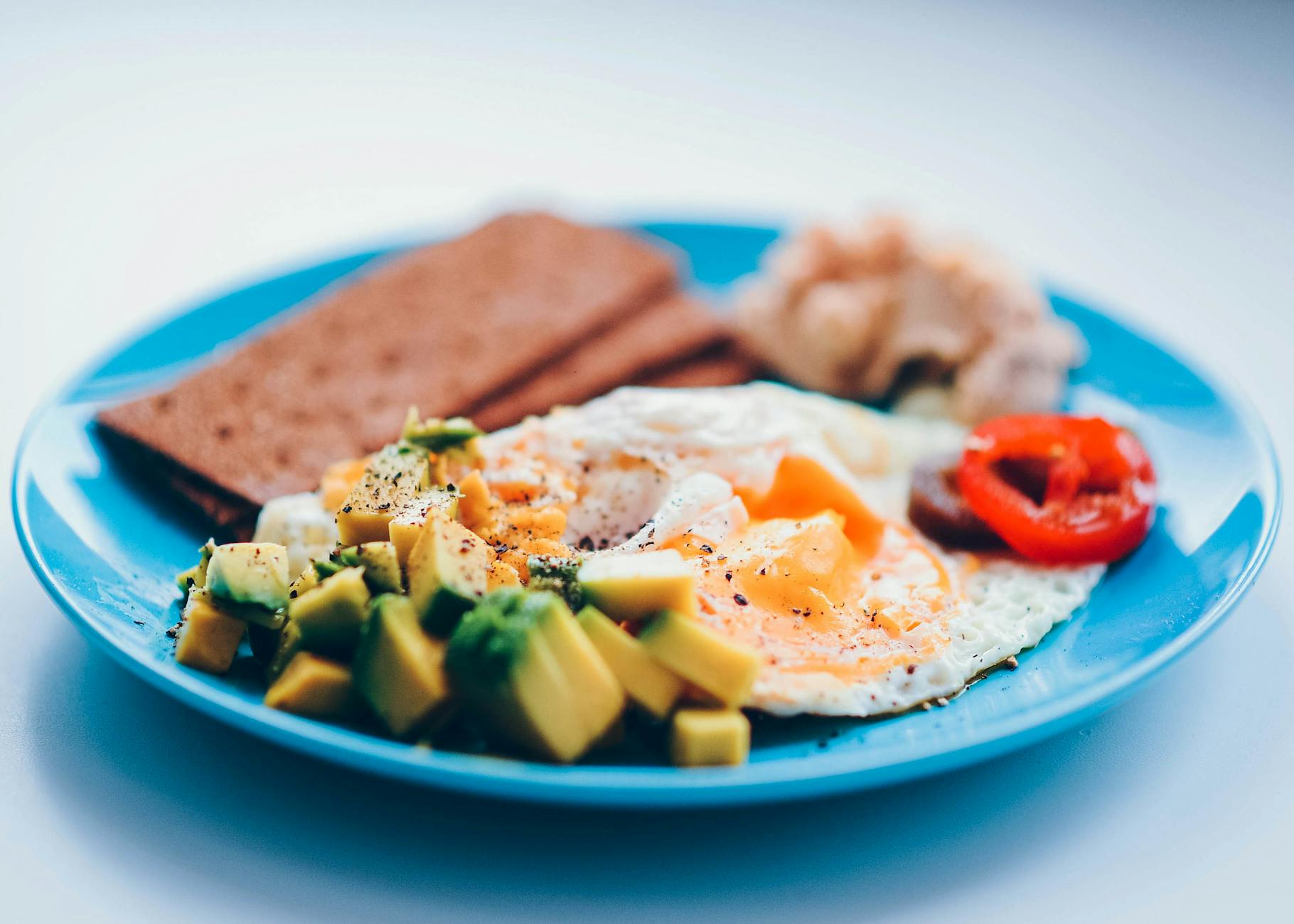
4. Turkey Sausage or Bacon with Avocado (25-28g protein)
Two links of turkey sausage or three slices of bacon paired with a quarter of an avocado and a small side of fruit is protein-forward and satiating. Turkey sausage tends to be leaner than pork and still delivers serious flavor. The healthy fat in avocado complements the protein and keeps you satisfied for hours.
5. High-Protein Smoothie (30-35g protein)
Blend one scoop of whey or plant-based protein powder, one cup of unsweetened almond milk, a handful of spinach, and either frozen berries or half a banana. This takes two minutes and delivers substantial protein in liquid form, which many GLP-1 users find easier to tolerate in the morning. The key is using a protein powder—whole milk yogurt or milk alone won’t get you to 30+ grams without unnecessary calories.
6. Smoked Salmon and Cream Cheese Roll-Up (20-25g protein)
This feels a bit fancy but is genuinely simple: spread a thin layer of cream cheese on a slice of whole-grain bread, add a few slices of smoked salmon, some cucumber, and a squeeze of lemon. Roll it up and eat. Salmon is rich in omega-3 fatty acids, which support brain and heart health. This option is especially good if you like savory breakfasts.
7. Protein Pancakes (25-30g protein)
Yes, you can still have pancakes. Mix one mashed banana, two eggs, one scoop of protein powder, and a splash of vanilla extract. Cook them on a griddle like normal pancakes. You’ll get two or three small pancakes—top with Greek yogurt and berries instead of syrup. This satisfies the comfort-food craving while delivering serious protein.
Practical Tips for Success
Prep ahead: On Sunday, cook a batch of eggs or turkey sausage links. Hard-boil a dozen eggs. Divide cottage cheese into containers. When breakfast time comes, you’re assembling, not cooking.
Keep portions mindful: GLP-1s suppress appetite, so you might feel satisfied after two bites. That’s okay—stop when you’re satisfied, not when your plate is empty. Listen to your body.
Hydration matters: Drink water before and after breakfast. Adequate hydration prevents constipation (a common GLP-1 side effect) and helps you feel fuller.
Consider timing: Some people on GLP-1 do better eating breakfast within an hour of waking. Others skip breakfast entirely because they’re not hungry. There’s no rule—eat when you’re genuinely hungry, not by the clock.
Choose whole, recognizable foods: While protein bars and shakes have a place, prioritize whole foods when you can. They’re more satiating and provide micronutrients that processed foods often lack.
Frequently Asked Questions
- Can I eat breakfast if I’m not hungry on my GLP-1?
- Absolutely. Hunger cues change on GLP-1 medications, and some days you might not feel hungry until lunch. Honor that. Eating when you’re not hungry can lead to nausea and makes the experience unpleasant. Eat when your body signals genuine hunger, and focus on nutrition when you do.
- How much protein do I really need at breakfast?
- Aim for 25-35 grams, depending on your overall daily intake and goals. If you’re very small-framed or eating only one meal a day, even 20 grams is helpful. Consult with a dietitian for personalized guidance, especially if you have kidney issues or other health conditions.
- Is it okay to skip breakfast on GLP-1?
- Yes, if you’re not hungry. GLP-1s make intermittent eating patterns easier and often more natural. Some people thrive on one or two meals a day. The goal is to eat enough protein and calories to support your body, not to force meals on a schedule.
- Will eating protein cause nausea on my GLP-1?
- Protein itself doesn’t cause nausea, but eating too much at once can. Start with smaller portions and eat slowly. If you experience nausea, it might be a sign you’ve eaten too much, too fast, or eaten foods your stomach isn’t tolerating well that day. Pay attention to patterns.
- Can I eat these breakfasts if I have dietary restrictions?
- Most of these ideas are flexible. Vegetarians can swap eggs and Greek yogurt for dairy-based options, or use plant-based protein powder. Vegans have excellent options with tofu scrambles, plant-based sausages, and protein smoothies. People with dairy sensitivity can use dairy-free yogurt and milk alternatives. The principle remains: prioritize protein and whole foods.
The Bottom Line
Breakfast on a GLP-1 doesn’t have to be complicated, but it should be intentional. Your medication is already doing the heavy lifting in terms of appetite suppression—your job is to make sure every meal, especially breakfast, fuels your body with the nutrients it needs. Prioritize protein, keep portions responsive to your actual hunger, and choose whole foods whenever you can.
If you want to stay on top of your progress and track how different breakfast choices affect your energy, hunger, and overall results, the TrimLog app is a great companion tool. It’s designed specifically for GLP-1 users and helps you log meals, track protein intake, and see patterns in what works best for your body. Small, consistent choices at breakfast compound into real results over time.