Ozempic Face: Is It Real and How Do You Prevent It?
If you’ve been around GLP-1 medication communities online, you’ve almost certainly heard the term “Ozempic face.” It’s everywhere – on TikTok, in celebrity gossip columns, in dermatology offices. But what is it, exactly? Is it a real medical phenomenon, or just media hype? And if it is real, can you actually prevent it? Here’s what you need to know.
What Is “Ozempic Face”?
“Ozempic face” is a colloquial term – not a medical diagnosis – describing the facial changes that can occur with rapid or significant weight loss while using GLP-1 medications like Ozempic, Wegovy, Mounjaro, or Zepbound. The typical complaints include:
- A gaunt, hollow, or sunken facial appearance
- More visible facial bones and definition (cheekbones, orbital rims)
- Loss of the plump, rounded contours in cheeks and temples
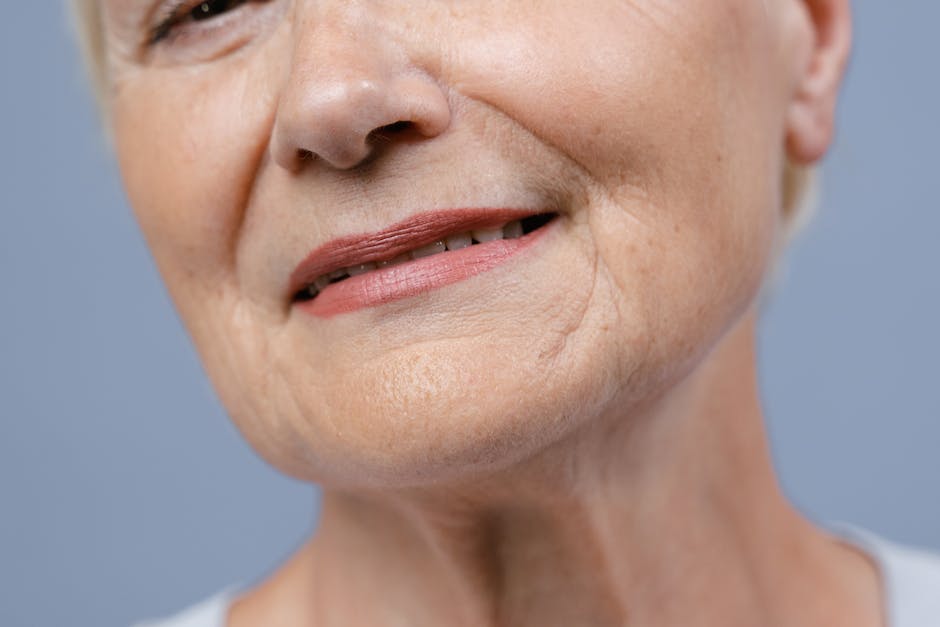
- Increased skin laxity – loose or sagging skin around the jawline, under the chin, and around the eyes
- Deeper nasolabial folds and marionette lines
- An overall appearance of looking older than before
The phenomenon was given its catchy name because Ozempic (semaglutide) became widely used for weight loss before Wegovy received FDA approval for that indication. In reality, the same facial changes can occur with any rapid weight loss – it’s not unique to GLP-1 medications. The “Ozempic” branding stuck because these drugs became so culturally prominent.
Why Does It Happen?
The face has a layer of subcutaneous fat that contributes to its youthful, full appearance. This facial fat doesn’t just sit there cosmetically – it actually supports and structures the overlying skin. As we age, we naturally lose facial volume, which is part of why older faces look different from younger ones.
When you lose weight rapidly, your body draws fat from all over – including the face. The skin, especially in people over 35-40 whose skin elasticity has naturally declined, may not fully “snap back” to accommodate the reduced volume. The result is loose skin and deflated-looking contours.
Rapid weight loss compounds this effect compared to slow, gradual weight loss. GLP-1 medications can produce significant weight loss (15-21%+ of body weight) over relatively short timeframes (12-18 months), which is faster than most dietary interventions historically achieved. This speed, combined with the degree of fat loss, is why facial changes are noticeable for some users.
Who Is Most Affected?
Not everyone who loses weight on GLP-1 medications develops noticeable Ozempic face. The people most likely to experience significant facial changes include:
- Those who are older (40s, 50s, 60s+), where skin elasticity is reduced
- People who lose a large percentage of their body weight (more than 15-20%)
- Those who lose weight very rapidly
- People who were previously at a higher BMI and carried significant facial fat
- Smokers and those with significant sun damage, whose skin elasticity is further compromised
Younger patients with good skin elasticity and those who lose weight more gradually often don’t experience noticeable facial changes.
Can You Prevent Ozempic Face?
You can’t completely prevent all facial changes that come with significant weight loss, but there are meaningful steps you can take to minimize them:
- Lose weight more slowly if possible: Slower weight loss gives your skin more time to adapt. If your dose allows, discuss with your prescriber whether a lower dose with slower progression might be appropriate for you.
- Stay well hydrated: Dehydration makes skin look worse. Drink plenty of water daily – at least 64 ounces – to support skin health from the inside.
- Eat enough protein: Collagen, the structural protein that gives skin its elasticity, requires adequate protein intake to synthesize. Prioritize protein-rich foods. Collagen peptide supplements may also provide modest benefit.
- Use quality skincare: Retinoids (tretinoin or retinol) support collagen production and skin cell turnover. Sunscreen daily prevents further UV-related elasticity loss. Moisturizers with hyaluronic acid and peptides can improve surface appearance.
- Consider facial exercises: There is limited but emerging evidence that facial muscle exercises (sometimes called “facial yoga”) can help maintain some facial structure and muscle tone. It’s low-risk and worth trying.
Treatment Options If It’s Already Happened
If you’re already experiencing facial volume loss from your weight loss journey, dermatology and aesthetic medicine offer several options:
- Dermal fillers: Hyaluronic acid fillers (like Juvederm, Restylane) can restore lost facial volume in specific areas like cheeks and temples. Results last 12-24 months.
- Biostimulators: Products like Sculptra (poly-L-lactic acid) stimulate your own collagen production over time and provide a more natural-looking, longer-lasting volumization.
- Radiofrequency and ultrasound treatments: Devices like Morpheus8 and Ultherapy can tighten loose skin by stimulating collagen production in deeper skin layers.
- Surgical options: For significant skin laxity, a lower facelift, neck lift, or other surgical procedures may be considered. These are typically pursued only after weight has stabilized.
Consult with a board-certified dermatologist or plastic surgeon to discuss which option is appropriate for your specific situation and budget.
The Bottom Line
Ozempic face is real – but it’s really “rapid weight loss face,” and it’s a trade-off that many people are willing to make given the profound health benefits of losing significant weight. The changes are most pronounced in older patients and those who lose a large percentage of their body weight quickly. You can minimize the effect through hydration, nutrition, skincare, and pacing your weight loss. And if you’re bothered by the results, effective cosmetic interventions exist. Most people who’ve experienced this trade-off still say the health improvements were absolutely worth it.